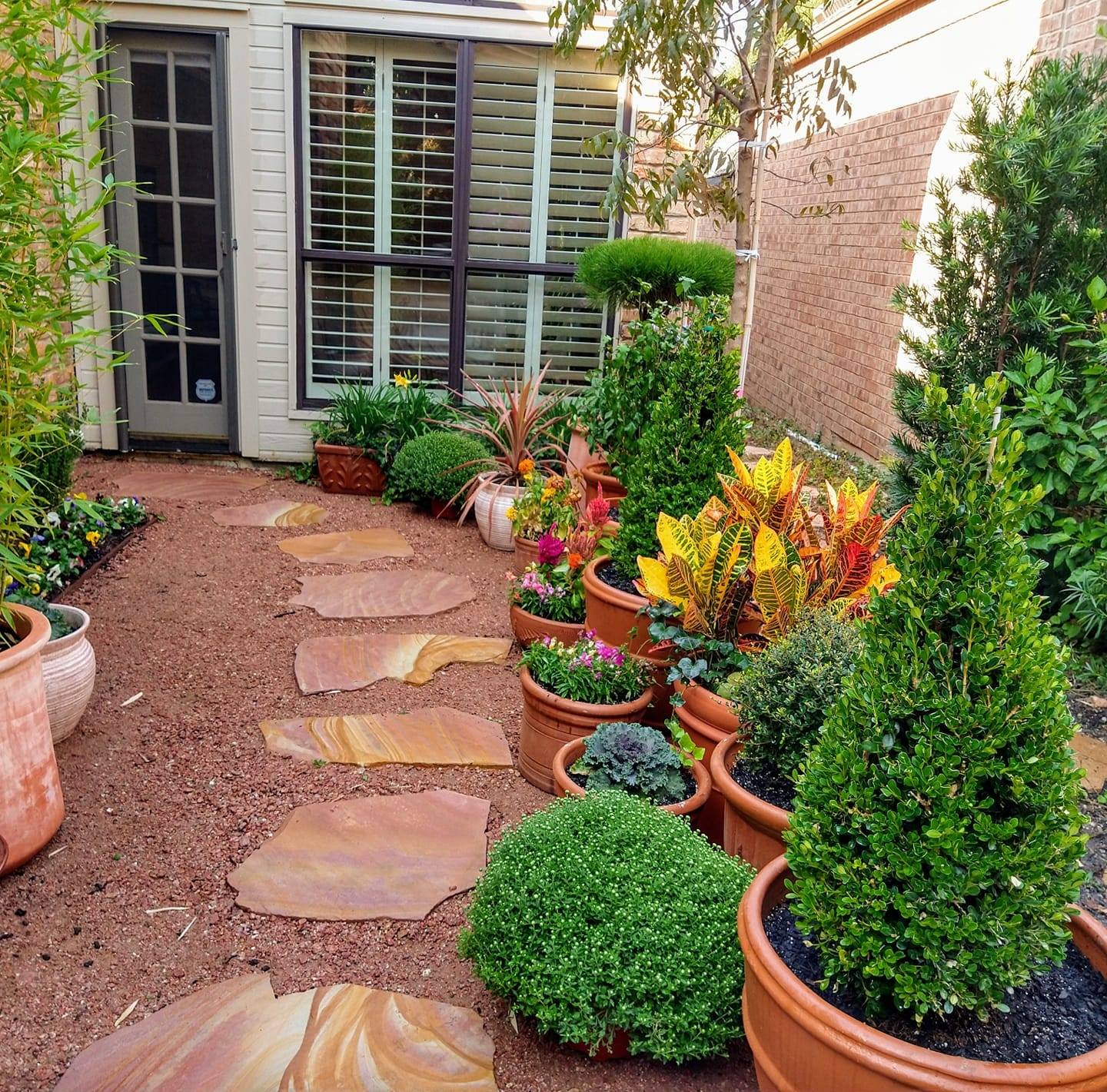
Creating Biodiverse Gardens: Integrating Native Plants into Your Landscape Mar 01, 2026
Begin with understanding your local ecosystem. Different regions have distinct native plant species that provide essential habitats and food sources for local wildlife. By selecting plants that are indigenous to your area, you not only help preserve the local ecosystem but also reduce the need for extensive maintenance and resources. Native plants are naturally adapted to the local conditions, which means they require less water and fertilization, making them a sustainable choice for eco-friendly landscaping.
When planning your garden, consider the specific needs of the native plants you choose. Research which plants thrive in your climate and soil type, and think about their growth patterns and mature size to ensure they fit well into your landscape design. For instance, if you live in an area that receives ample sunlight, selecting sun-loving natives like coneflowers or blazing stars will create a vibrant oasis that flourishes with minimal intervention. Conversely, if your garden is more shaded, consider integrating shade-tolerant options like ferns or woodland phlox.
Including a variety of native plants in your garden not only increases biodiversity but also attracts a diverse range of pollinators. Butterflies, bees, and birds all benefit from native flora, which provide essential nectar and habitat. Birds, in particular, enjoy the seeds and berries of native plants, while pollinators thrive in a landscape with flowering natives that bloom at different times throughout the year. This continuous blooming cycle ensures that pollinators have access to food throughout the growing season.
To further enhance biodiversity, think about adding layers to your garden. By incorporating plants of varying heights, from ground covers to shrubs and trees, you create a more complex structure that mimics natural ecosystems. This layering not only fulfills the needs of different wildlife species but also adds visual interest and depth to your garden design.
Moreover, sustainably incorporating native plants into your landscape requires proper maintenance. Native plants are adapted to thrive with minimal intervention, but they still benefit from occasional pruning and mulching to keep them healthy and vigorous. Additionally, even though native plants are naturally more resistant to pests, observing and nurturing them can prevent any potential issues from escalating.
Finally, a well-planned garden featuring native plants can significantly reduce your carbon footprint. By using fewer non-native species that require extensive watering and chemical fertilizers, you contribute to the health of the environment. As you see your garden transforming into a biodiverse haven, you’ll also observe a reduction in long-term maintenance costs and efforts.
At Green City Landscape and Lawn Care LLC, we are dedicated to helping our clients create landscapes that are not only beautiful but also ecologically responsible. By integrating native plants into your garden, you invest in a sustainable, flourishing environment for generations to come. Whether you are beginning the gardening journey or looking to enhance an existing landscape, consider the many benefits of native plants in promoting biodiversity and supporting local wildlife. Let us help you create a garden that is a true testament to the beauty and sustainability of nature.
/filters:no_upscale()/filters:format(webp)/media/bd9ecea9-3ea5-412c-bf95-715fb2fa1c91.jpg)