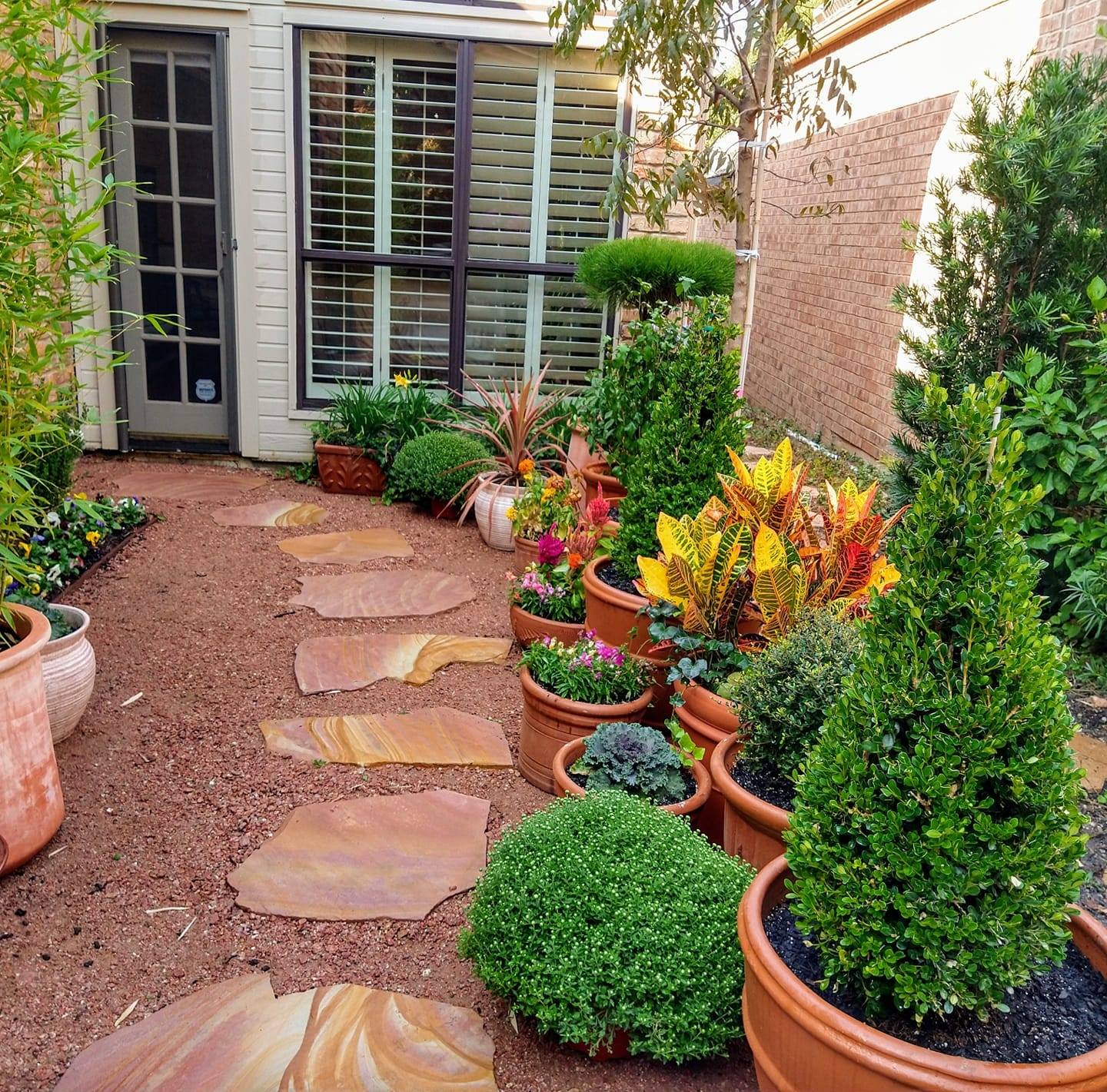
Wildlife Havens: Transforming Your Garden into a Habitat Oasis Oct 10, 2026
Understanding your local wildlife is the first step in crafting a suitable environment. Each region hosts unique species of birds, insects, and small mammals that can be supported through thoughtful garden design. Researching native plants that provide food and shelter is crucial. Native flora naturally attracts the right pollinators and wildlife, requiring less maintenance and reducing the need for chemical interventions.
A diverse plant palette is essential. Incorporate a variety of trees, shrubs, and perennials that flower throughout different seasons. This ensures continuous sources of nectar and berries, catering to the dietary needs of various creatures year-round. Consider planting bee-friendly flowers such as lavender, which not only attracts pollinators but also adds fragrant beauty to your landscape. Berry bushes like elderberries or serviceberries provide nourishment for birds, while wildflowers make excellent seed providers in the fall.
Water features are another focal point for creating a wildlife haven. A small pond or birdbath can serve as a vital water source for birds and beneficial insects. Ensure your water features are shallow with gently sloping sides for safe access. Moving water attracts more visitors and helps prevent stagnant, vector-prone environments. Installation of a rain garden can also manage stormwater effectively while providing habitat for moisture-loving plants and creatures.
In terms of garden structure, layering is key. Create different planting tiers by incorporating tall trees, understory shrubs, and groundcovers. These layers mimic natural habitats, offering numerous niches for nesting, hiding, and foraging. Dense hedgerows or brush piles can act as windbreaks and concealment spots for small animals, while a green roof on your shed or gazebo offers additional habitat opportunities.
To maintain your habitat oasis, it's crucial to adopt sustainable gardening practices. Limit the use of pesticides and herbicides, as these can harm the very creatures you aim to attract. Instead, encourage natural pest predators like ladybugs and birds. Composting organic waste enriches the soil naturally, promoting healthy plant growth and sustaining a complex food web.
When planning pathways and seating areas, use porous materials like gravel or permeable pavers. These choices minimize water runoff and blend seamlessly with the natural environment. Creating walkable, observation-friendly routes enhances your interactions with the flourishing wildlife in your garden without disturbing it.
Remember, a wildlife-friendly garden is not an "instant" creation. It requires thoughtful planning and patience to witness the steady return of vibrant life forms and increased biodiversity. By working with Green City Landscape and Lawn Care LLC, you can transform your garden into a sustainable refuge that delights and educates all who enter.
Creating a habitat oasis enriches both your garden and your life. Embrace the beauty and wonder of sharing your space with nature's miracles, fostering an environment where plants, animals, and people thrive harmoniously together. Whether you're starting from scratch or enhancing an existing garden, your efforts take part in a larger movement toward environmental sustainability and biodiversity conservation.
/filters:no_upscale()/filters:format(webp)/media/bd9ecea9-3ea5-412c-bf95-715fb2fa1c91.jpg)